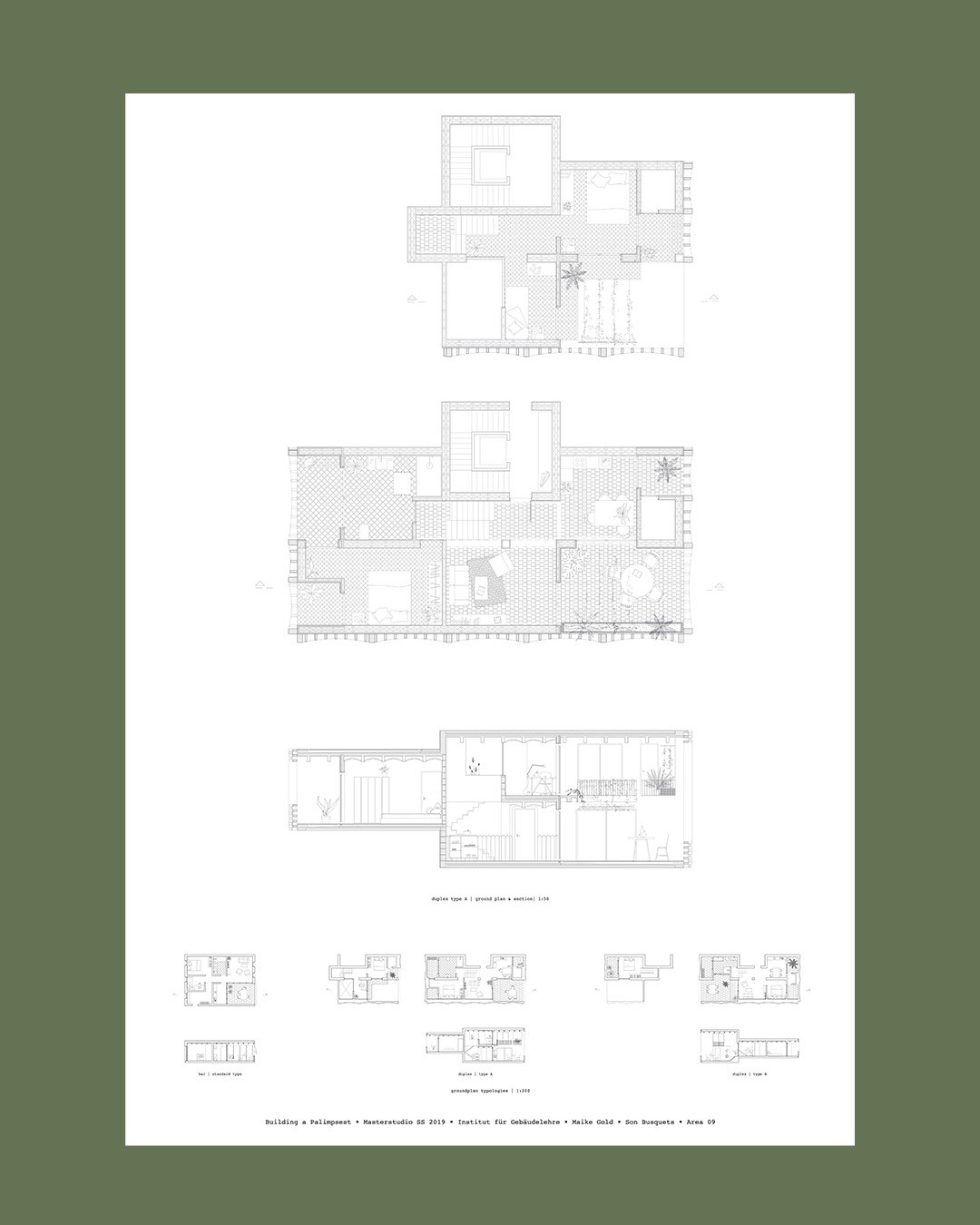
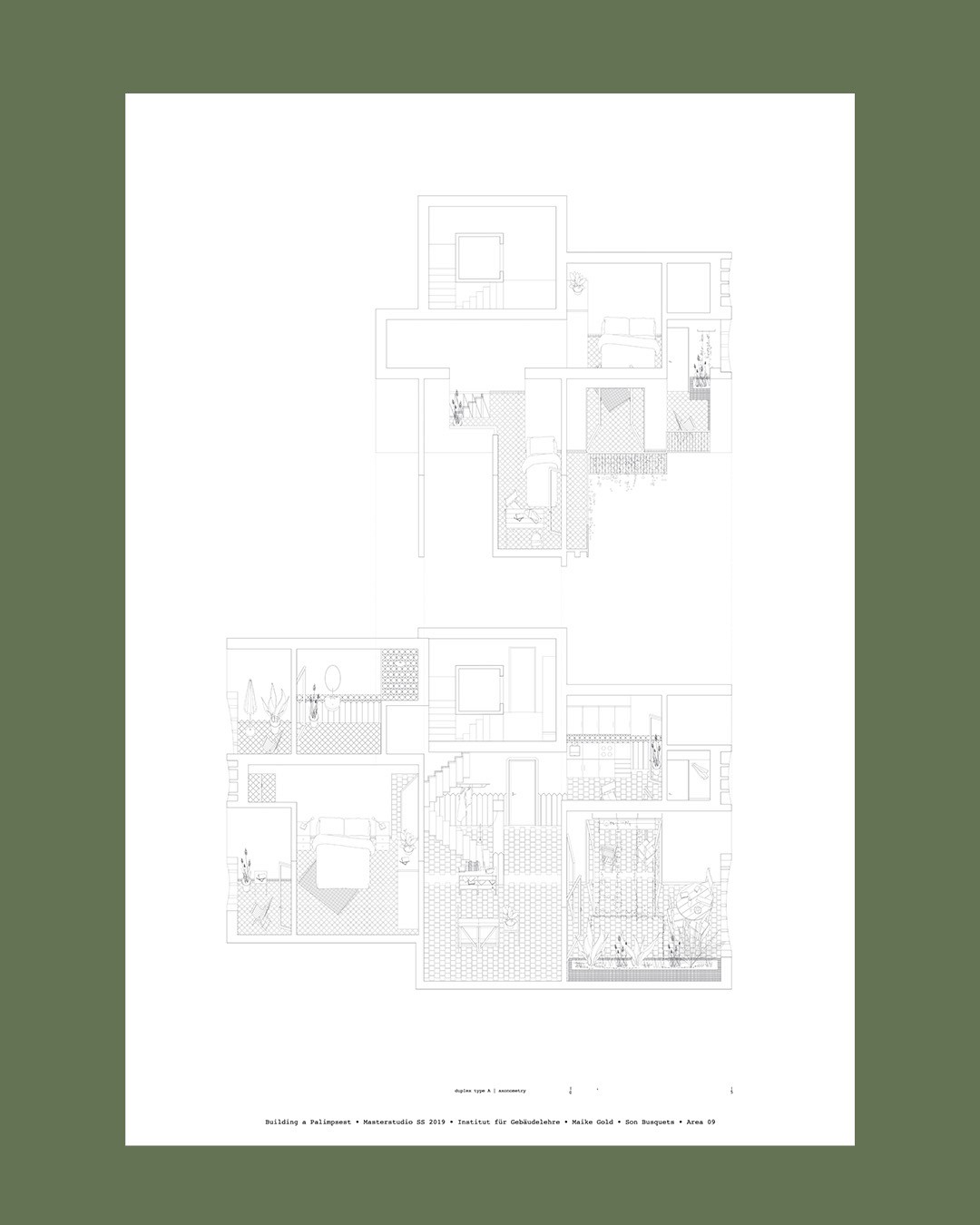
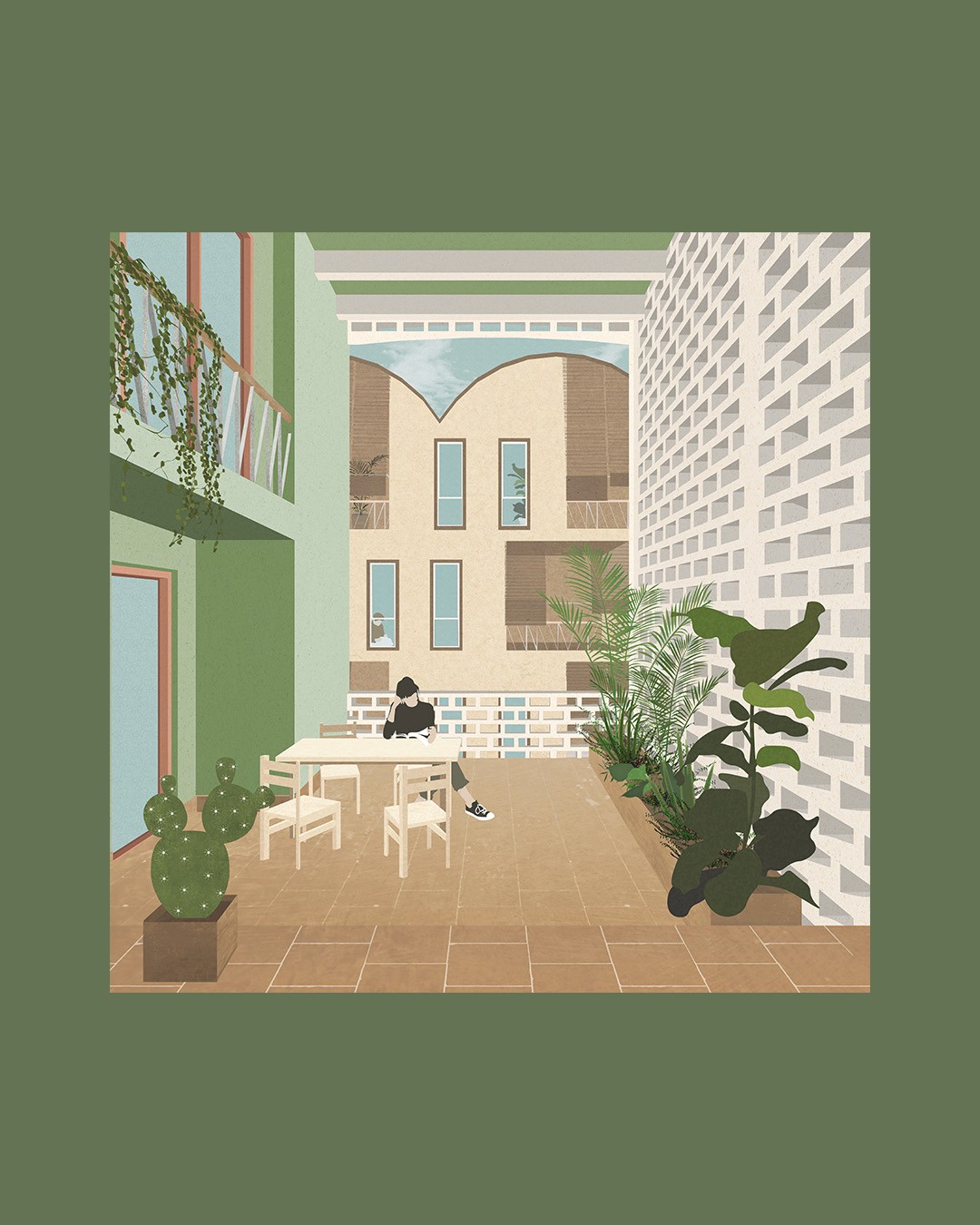
Building a Palimpest
Design Studio with TEd’A arquitectes, TU Graz (Spring 2019)
Location: Son Busquets, Palma de Mallorca
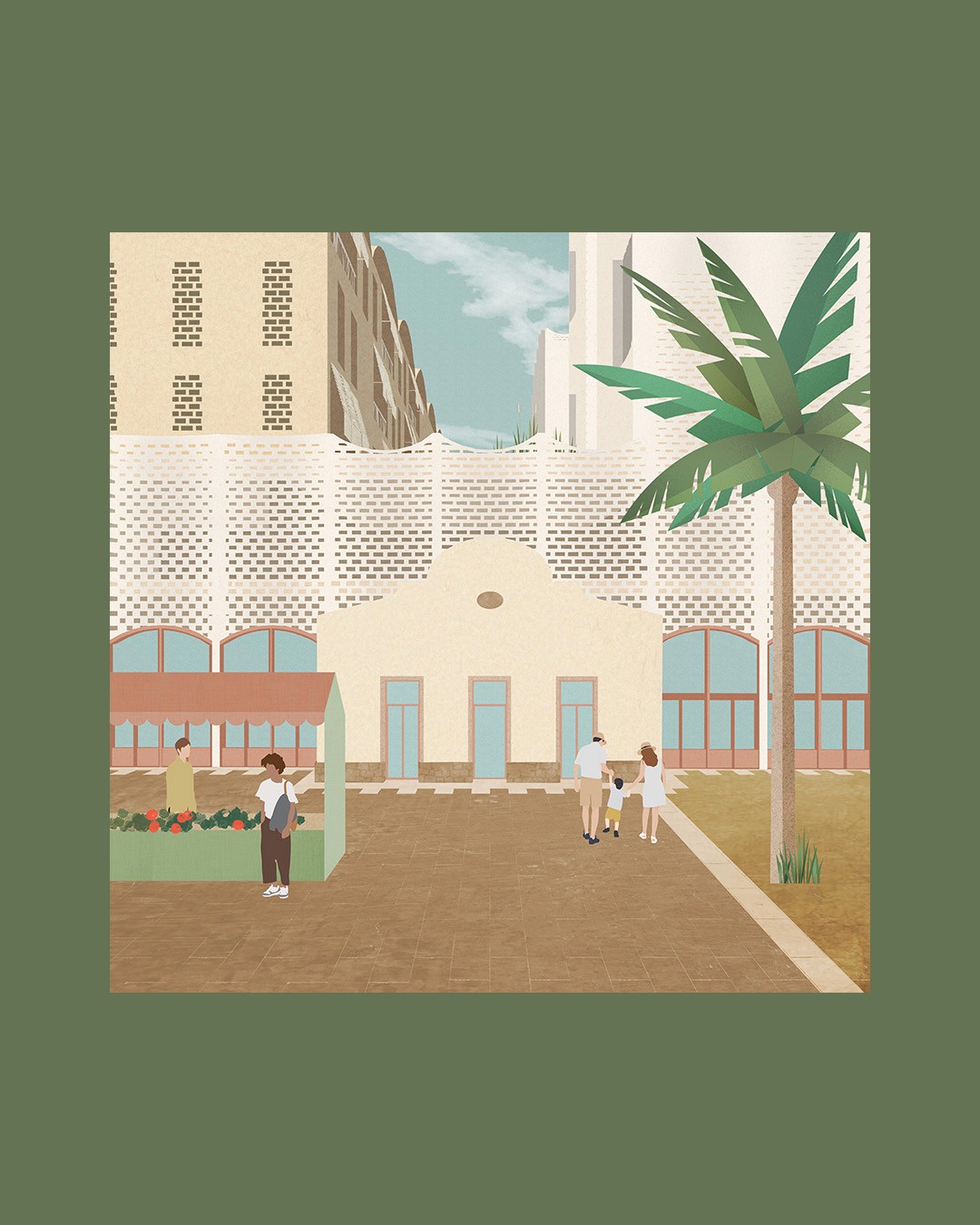
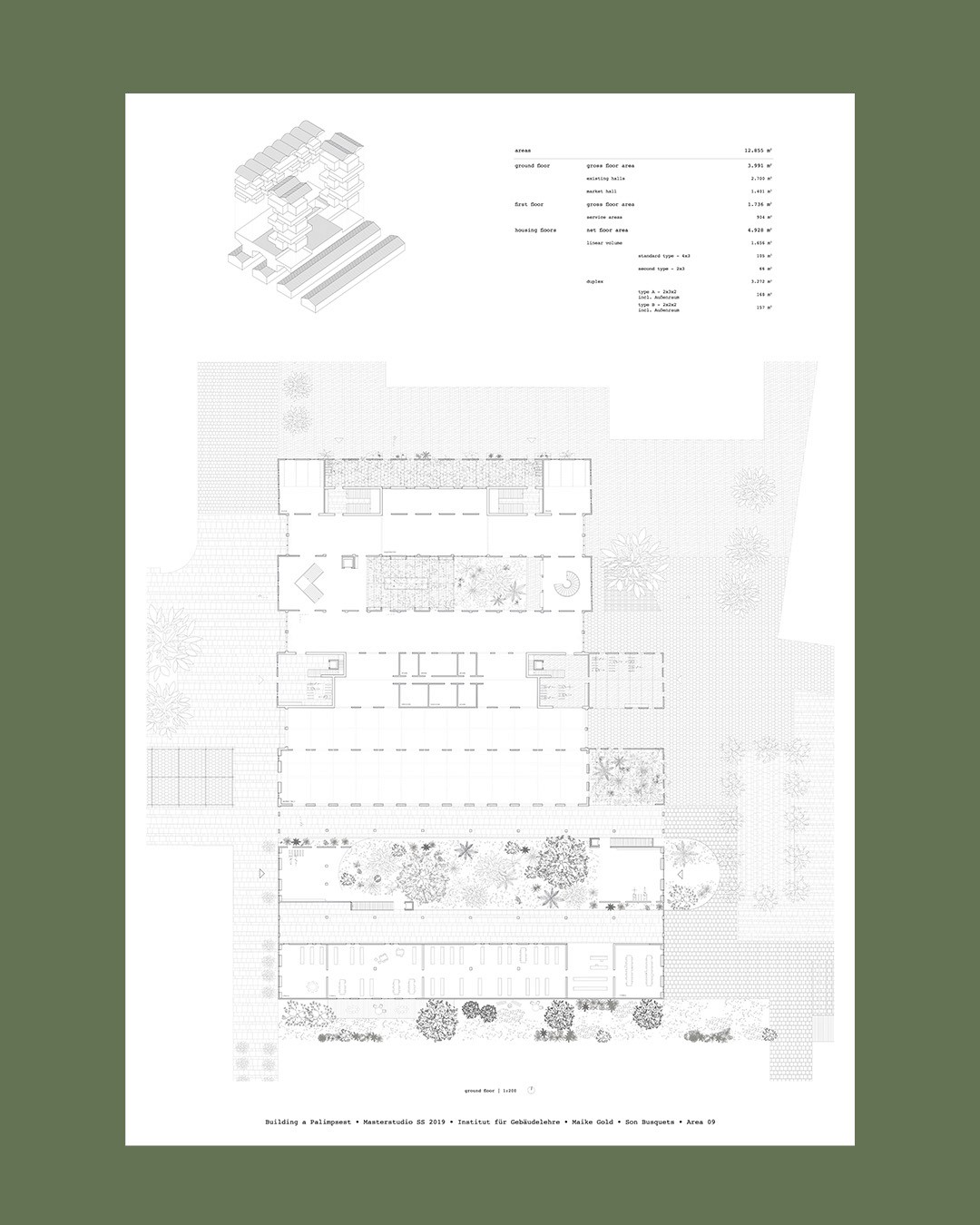
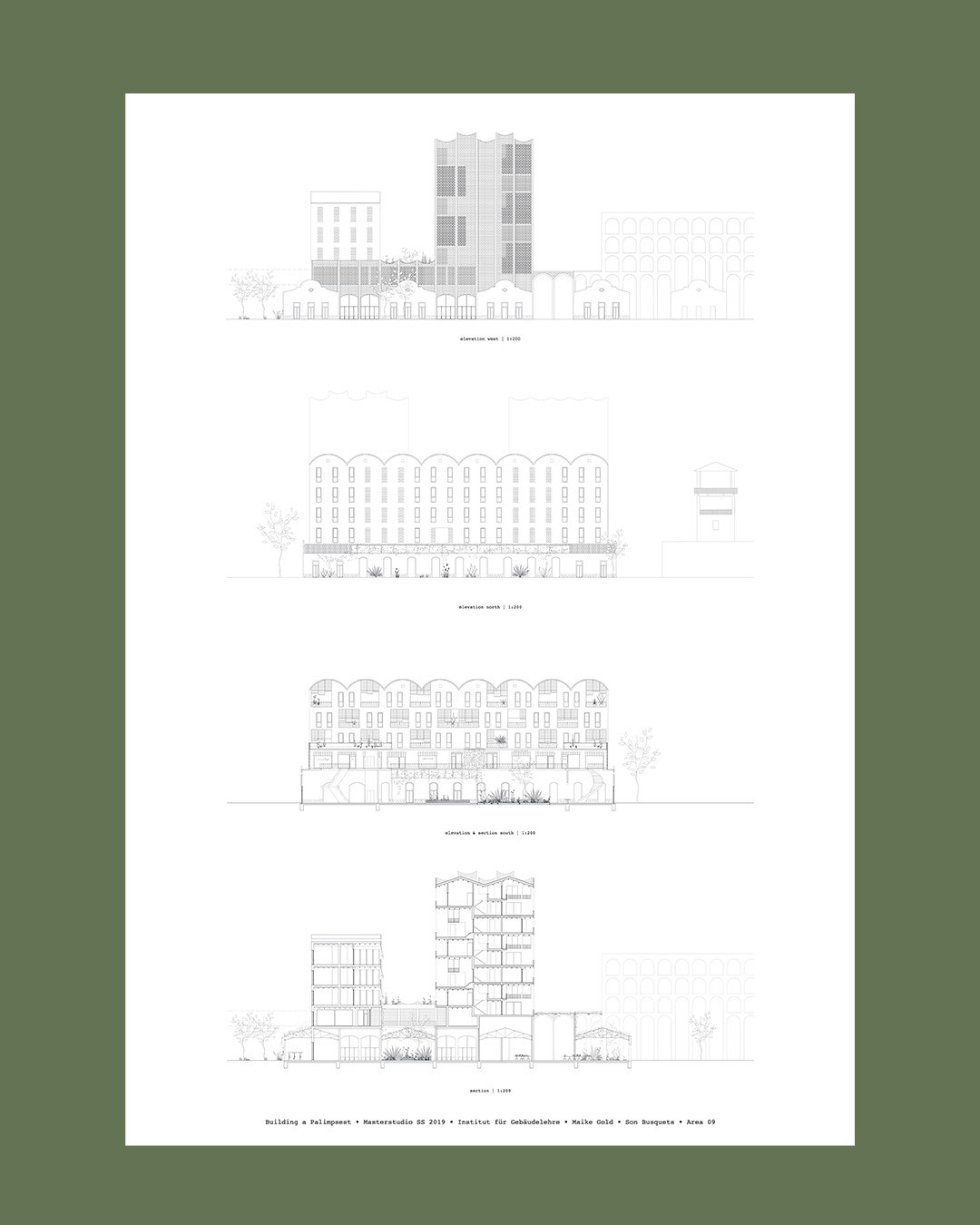
Building a Palimpsest explored the transformation of the former military site Son Busquets in Palma de Mallorca as a piece of city—not as a tabula rasa, but as a layered spatial and material condition shaped by existing structures, new interventions, and processes of reuse. Led by TEd’A arquitectes (Irene Pérez, Jaume Mayol) and Andreas Lechner, the studio approached the site as an urban palimpsest: an ensemble of buildings, open spaces, vegetation, infrastructures, and traces of time that could be reactivated through carefully positioned additions and transformations.
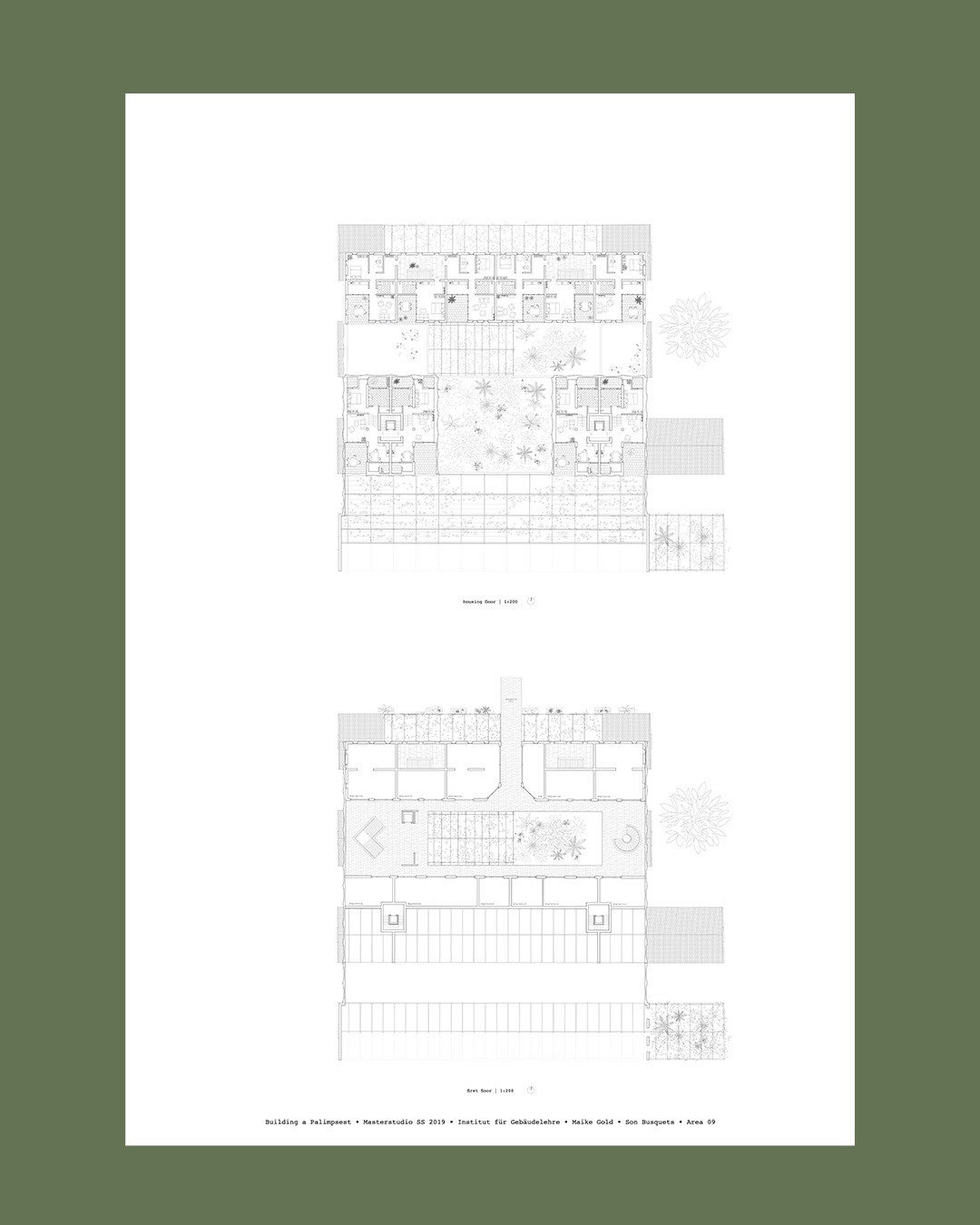
At the core of the studio was the question of how an abandoned military complex could become an open, mixed-use urban quarter. The work combined urban strategies, architectural transformation, and material-based research. The task involved the development of a collective proposal for the larger site—including housing, public programs, and differentiated open spaces—while engaging with questions of preservation, adaptation, and extension of the existing fabric.
The design approach understood architecture as collage: a productive relationship between heterogeneous typologies, uses, and scales, in which old and new are not dissolved into uniformity but deliberately brought into dialogue. Existing halls, barracks, and landscape structures were treated not simply as constraints, but as design resources. This opened a way of working in which reuse, densification, and transformation were understood as spatial, cultural, and ecological practices.
A particular focus was placed on the local context of Mallorca—from the urban and tourism-related dynamics of Palma to regional materials and craft traditions. Research into local resources (including stone, ceramics, and artisanal production) complemented the spatial analysis and sharpened the project’s interest in a site-specific architecture beyond standardized development models.
Building a Palimpsest was therefore less a singular object design and more an experimental framework for investigating how urban environments can emerge through reuse, layering, and precise intervention.